Web Development Process: Steps for Designing a Website

Co-Founder

The web development process is a structured sequence of 6 stages covering planning, design, development, testing, deployment, and maintenance that takes a website from initial concept to a fully functional, live digital product.
Each stage of the website development process builds directly on the previous, ensuring the final website meets functional, visual, performance, and security requirements before it reaches its intended users.
Whether you are building a basic informational website, a CMS-driven business platform, or a complex web application, understanding the web development process gives you the clarity to make better decisions at every stage. Contact Intelivita for professional web development services.
What Are the Phases of the Web Development Process?
The phases of the web development process include planning, design, development, testing, deployment, and maintenance. Each phase addresses a distinct layer of website development.
The phases of the web development process are explained below:
Step 1: Planning
The Planning phase is the foundation of the web development process and the most critical step for ensuring project success.
In this phase, businesses define the purpose, goals, and target audience of the website.
This helps shape the entire project and align it with the company’s overall strategy.
Key tasks within the planning phase include:
- Defining objectives: Identifying the primary goals of the website (e.g., lead generation, eCommerce, or brand awareness).
- Target audience: Understanding the specific users the website will serve, including their needs, preferences, and behaviors.
- Creating a sitemap: This visual blueprint outlines the website’s structure, showing how different pages will be organized and interlinked to ensure easy navigation.
- Developing wireframes: Wireframes are basic layouts that serve as visual guides for each page’s structure, establishing the framework for both design and functionality.
The web development planning phase takes about 1 to 4 weeks, depending on project complexity and stakeholder availability.
Step 2: Design
The Design phase focuses on creating a visually appealing and user-friendly interface. Key components include:
- Wireframes: Basic layouts refined into prototypes using tools like Figma and Sketch.
- User Interface (UI): Visual elements such as color schemes, typography, and visual hierarchy are designed to align with the brand identity.
- User Experience (UX): Focuses on seamless navigation and user interactions to create a smooth journey.
- Responsiveness: Ensures the website works well across all devices, from desktops to mobile phones.
The web development design phase takes 2 to 6 weeks, depending on the number of pages, design complexity, and client feedback cycles.
Step 3: Development
This phase involves both front-end and back-end development to turn designs into a functional website. It includes:
Front-end development
- HTML: Structures the content.
- CSS: Controls the design and layout.
- JavaScript: Adds interactivity, such as sliders and animations.
Back-end development
- Server-side programming: Using languages like PHP, Node.js, and Python for data processing.
- Databases: Tools like MySQL or MongoDB to store and retrieve data for dynamic features like eCommerce or user accounts.
The web development phase takes 4 to 16 weeks depending on website complexity, feature scope, and the size of the development team.
Step 4: Testing
Testing ensures that the website is fully functional and performs well across all devices. Core testing methods include:
- Functional Testing: Ensures that elements like forms and navigation work without errors.
- User Testing: Verifies usability and smooth navigation.
- Performance Testing: Checks the website’s speed and ability to handle traffic.
The website testing phase takes 1 to 4 weeks depending on website complexity and the number of testing cycles required.
Step 5: Deployment
The Deployment phase involves launching the website on a live server, ensuring it’s accessible to users. Key tasks include:
- Web hosting: Provides infrastructure for the website’s files.
- Domain connection: Links the domain to the live environment.
- CMS integration: If applicable, integrates a Content Management System for easy content updates.
A structured website deployment process removes the risk of configuration mismatches between development and production environments that cause post-launch failures.
Step 6: Maintenance
Regular updates are crucial to maintaining the website’s security, functionality, and performance. Key tasks include:
- Security updates: Patches vulnerabilities to protect against threats.
- Performance optimization: Ensures fast load times and smooth user experience.
- Content updates: Keeps the website relevant and aligned with user needs.
Intelivita's web development services include structured post-launch website maintenance plans that keep your website secure, performant, and aligned with your business objectives long after deployment.
Why is the Website Design Process Important in Web Development?
The website design process is important in web development because it defines the visual and structural blueprint every subsequent development decision is built upon. Without a completed web page design, front-end developers have no reference for layout, component structure, or interaction behaviour. This results in inconsistent interfaces, costly rework, and extended development timelines.
A well-executed website design process resolves 3 critical development risks before coding begins: unclear user interface requirements, undefined responsive web design breakpoints, and misaligned stakeholder expectations.
UX design decisions made during this stage directly determine navigation clarity, page load structure, and conversion path efficiency, all of which influence how users interact with the finished website. A website designed with user experience at its core reduces bounce rates, increases on-page engagement, and delivers a more intuitive product for the end user.
Skipping or rushing the website design consistently produces development bottlenecks that cost more to fix after the code is written than before it begins.
Why is Front-end Development Important in the Development Stage?
Front-end development is important in the development stage because it translates approved web page designs into the functional, interactive interface users directly engage with on every page of the website.
Without structured front-end development, the visual and interaction design decisions made during the website design process have no technical implementation. Meaning that your website won’t have a navigable, accessible, or responsive user interface.
Front-end frameworks including React, Angular, and Vue.js improve your website interface by providing reusable component architectures that maintain visual consistency across large, multi-page websites and web applications.
Why is Back-end Development Important in Development Stage?
Back-end development is important in the development stage because it engineers the server-side logic, database architecture, and API integrations that power every functional operation a website performs behind the user interface.
Without structured back-end development, a website has no ability to store data, authenticate users, process transactions, or connect to third-party platforms. Meaning your website remains a static, non-functional front-end interface with no operational capability.
What Tools are Used in Website Development?
The following are website development tools used across every stage of the website development process:
Planning and Project Management:
- Jira
- Trello
- Notion
- Asana
Design and Prototyping:
- Figma
- Adobe XD
- Sketch
Front-End Development:
- Visual Studio Code
- React
- Angular
- Vue.js
Back-End Development:
- Node.js
- Django
- Laravel
- Ruby on Rails
Version Control:
- Git
- GitHub
- GitLab
Testing:
- Selenium
- Jest
- Cypress
- BrowserStack
Deployment and DevOps:
- Docker
- Kubernetes
- AWS
- Microsoft Azure
- Google Cloud Platform (GCP)
Performance and SEO Monitoring:
- Google Analytics
- Google Search Console
- GTmetrix
- Cloudflare
What Are the Key Roles in the Web Development Process?
The following roles are crucial for a successful web development project:Roles in web development:
- Web Developer: Oversees front-end and back-end development, ensuring seamless integration.
- UI/UX Designer: Focuses on creating the user interface and improving user experience.
- Front-End Developer: Implements design using HTML, CSS, and JavaScript.
- Back-End Developer: Manages server, database, and application logic.
- Project Manager: Oversees the entire process, ensuring team collaboration and timely delivery.
- QA Tester: Tests functionality, performance, and security before the website launch.
What is the Role of SEO in Website Development Process?
The role of SEO in the website development process is that of visibility. SEO determines whether a finished website is discoverable, indexable, and rankable by search engines from the moment it goes live.
Without SEO embedded across the web development process, a technically functional website remains invisible to the 68% of online experiences that begin with a search engine. Meaning your website fails to generate organic traffic, leads, or revenue regardless of its design or development quality.
A web development that integrates SEO from the planning phase onwards produces a website that ranks faster, retains users longer, and converts organic traffic more effectively than one where SEO is applied as an afterthought after deployment.
What Methodologies Are Used in the Web Development Process?
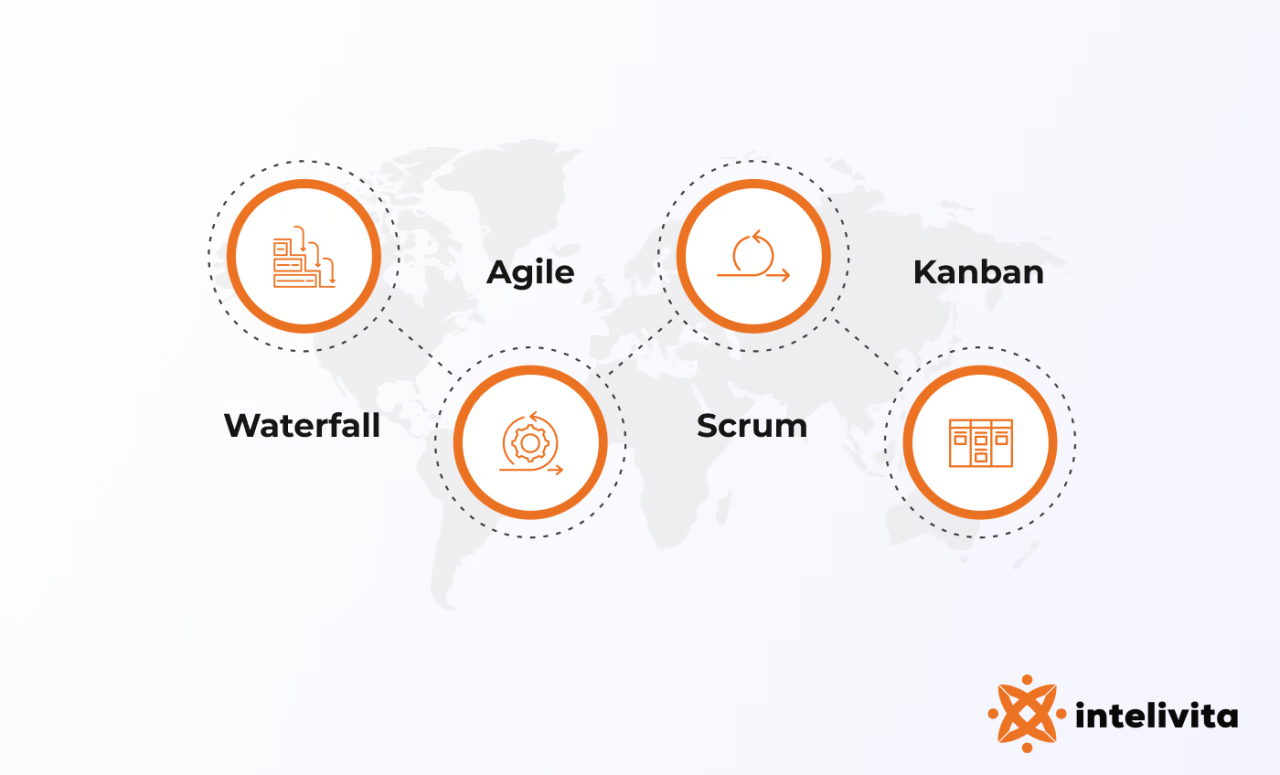
The different methodologies used in the web development process include:
- Agile: Divides projects into sprints, allowing for incremental delivery and quick adaptation to changes.
- Scrum: Organizes tasks into sprints with daily meetings to track progress.
- Waterfall: Follows a linear, phase-by-phase approach, suitable for projects with fixed requirements.
- Kanban: Uses a visual board to manage tasks, ideal for continuous delivery and flexibility.
What are the Challenges in Website Development Process?
5 common challenges in the website development process that directly impact delivery timelines, development costs, and the quality of the finished website include:
- Unclear Project Requirements: Undefined or frequently changing project requirements during the website planning phase cause scope creep, extended development timelines, and budget overruns across every subsequent stage of the web development process.
- Cross-Browser and Device Compatibility: Ensuring consistent UI design rendering and front-end development functionality across multiple browsers and across desktop, tablet, and mobile devices is one of the most technically demanding challenges in website development.
- Website Performance Optimisation: Achieving strong Core Web Vitals scores (Largest Contentful Paint (LCP), Cumulative Layout Shift (CLS), and First Input Delay FID) requires continuous front-end development and back-end development optimisation that extends beyond the initial web development phase.
- Web Security Vulnerabilities: Protecting a website against SQL injection, cross-site scripting (XSS), DDoS attacks, and GDPR compliance violations requires web security best practices embedded across the back-end development and deployment phases.
Third-Party Integration Complexity: Connecting a website to external platforms through API integration introduces compatibility, authentication, and data governance challenges that extend website development timelines significantly.
How Does Budgeting Affect the Web Development Process?
Budgeting affects the web development process by directly determining the website's quality, scope, timeline, and long-term maintainability. A low or insufficient budget forces you to compromise across design quality, features, timeline, and maintenance and support.
Budgeting affects the web development process in the following ways:
1. Design Quality
Budget allocation directly determines the depth and quality of the website design process. A constrained budget limits the number of UI design iterations, restricts access to senior UX designers, and reduces the time available for responsive web design prototyping and user testing. Websites built on underfunded web page design stages consistently produce interfaces that require costly redesigns within 12 to 18 months of launch.
2. Features
Available budget determines which features are engineered into the web development phase and which are deferred. A restricted budget forces prioritisation between core functionality (CMS integration, API connections, and user authentication), and value-adding features (AI-powered search, personalisation engines, and third-party platform integrations). Defining a clear MVP (Minimum Viable Product) scope during the website planning phase ensures budget is directed at the features that deliver the highest business value first.
3. Timeline
Budget constrains the size of the web development team assigned to a project. It directly extends delivery timelines when insufficient resources are allocated across front-end development, back-end development, QA testing, and DevOps simultaneously. A compressed budget that reduces team size consistently produces a longer website development process, not a shorter one.
4. Maintenance and Support
Post-launch website maintenance is the most consistently underfunded stage of the web development process. Websites without a dedicated maintenance budget accumulate technical debt, unpatched security vulnerabilities, outdated CMS plugins, and degraded Core Web Vitals scores over time. All of these directly impact search engine rankings, user experience, and business credibility.
How Long Does the Website Development Process Take?
The website development process takes between 4 weeks and 12 months to complete, depending on the complexity, feature scope, and scale of the website being built. A basic informational website with 5 to 10 pages takes 4 to 8 weeks from website planning to deployment.
A mid-level business website with CMS integration, responsive web design, and API connections to third-party platforms takes 3 to 6 months. A large-scale web application with custom back-end development, database architecture, user authentication, and enterprise-grade web security infrastructure takes 6 to 12 months from the initial planning phase to launch.
What are Common Mistakes in Website Development Process?
Here are 7 common mistakes in the website development process that consistently produce delayed timelines, inflated costs, and underperforming websites:
- Skipping the Planning Phase: Starting web page design or front-end development before the planning stage is fully defined leads to mistakes and development bottlenecks that extend timelines and inflate budgets.
- Neglecting Mobile Responsiveness: Building a website without initial responsive web design principles produces inconsistent rendering across mobile devices. This directly impacts Core Web Vitals scores, user experience, and Google search rankings.
- Treating SEO as an Afterthought: Failing to integrate SEO measures from the onset during the front-end development stage produces websites that require costly technical SEO remediation before ranking in organic search results.
- Ignoring Web Security During Development: Ignoring web security best practices after the back-end development stage is complete leaves websites structurally vulnerable to breaches and GDPR compliance violations from launch.
No Post-Launch Maintenance Plan: Launching a website without a structured website maintenance plan in place causes technical debt accumulation, outdated CMS plugins, unpatched security vulnerabilities, and declining search engine optimisation performance within months of going live.
How can Intelivita help?
Intelivita is a trusted web development company in the UK with 13+ years of experience delivering end-to-end website development services across every industry and project scale. With 500+ websites and web applications delivered across healthcare, finance, retail, logistics, and the public sector, Intelivita UK brings tested web development expertise and real industry knowledge to every project.
Here are 6 reasons UK businesses choose Intelivita for website development services:
- Structured Web Development Process: Intelivita follows a defined 6-stage web development process giving every project a transparent, predictable delivery framework from day one.
- Full-Spectrum Web Development Expertise: Intelivita's web development team covers every discipline your project demands under one engagement.
- SEO-Integrated Development: Every website Intelivita builds integrates semantic HTML, structured data markup, Core Web Vitals optimisation, and on-page SEO best practices directly into the front-end development stage.
- Enterprise-Grade Web Security: Intelivita embeds web security best practices across every back-end development and deployment stage, protecting your website and your users from day one.
- Transparent, On-Time Delivery: Intelivita's web development process is built around defined milestones, structured agile development sprints, and continuous stakeholder communication. We ensure your project is delivered on scope, on budget, and on time without unexpected delays.
Post-Launch Website Maintenance: Intelivita provides structured post-launch website maintenance plans, keeping your website secure, performant, and commercially effective long after deployment.