Web Design and Development: Definition, Differences, Best Practices

Co-Founder
Web design and development merges creative visual design with technical coding, integrating user experience design and robust content management systems. It combines responsive web design, frontend and backend development, and search engine optimisation to deliver mobile-friendly web design solutions.
According to IBIS World, the UK web design and development market, worth an estimated £621.3 million in 2023, is a dynamic industry with over 2.7 million active websites and 2,041 professional web design agencies. The industry is growing, with a CAGR of 0.2% over the past five years.
The main difference between web design and development is their focus. Web design emphasises visual aesthetics, user experience design, and responsive layouts, while web development centres on coding, backend integration, and performance optimisation. Both disciplines collaborate to create engaging sites.
Adhering to best web design and development practices means focusing on intuitive user experience design, robust website security and data protection, and effective search engine optimisation. Emphasising responsive design, simplified content management systems, and performance optimisation ensures secure websites.
What Is Web Design?
Web design is the process of creating and structuring websites to ensure an engaging and user-friendly experience. It involves a combination of visual aesthetics, layout design, and functionality to enhance usability and accessibility across various devices. A well-crafted web design focuses on both user experience (UX) and user interface (UI) elements to create visually appealing and functional websites.
Effective web design is important for businesses, organisations, and individuals looking to establish an online presence. It impacts brand credibility, user engagement, and conversion rates, making it paramount for e-commerce, corporate websites, blogs, and portfolio sites. A well-structured design enhances navigation, improves website speed, and ensures compatibility across different screen sizes, resulting in an innovative and effortless browsing experience.
Web design has evolved significantly since the early days of the Internet. In the 1990s, static HTML-based websites dominated, offering simple text and images. The early 2000s introduced CSS for styling, improving design flexibility. Later, technologies like JavaScript, Flash, and PHP enabled interactive elements. The 2010s saw the rise of responsive web design with frameworks like Bootstrap, ensuring mobile-friendly layouts. Today, modern web design integrates AI, progressive web apps (PWAs), and immersive UX features for enhanced functionality.
Web design relies on various programming languages and frameworks for front-end and back-end development. HTML, CSS, and JavaScript form the foundation, while frameworks like React, Angular, and Vue.js enhance front-end performance. For backend functionality, you use languages such as PHP, Python, and Node.js alongside frameworks like Django, Laravel, and Express.js. These technologies ensure dynamic, scalable, and responsive web design solutions for modern websites.
What Is Web Development?
Web development is the process of building, maintaining, and optimising websites and web applications. It involves coding, designing, and structuring digital platforms to ensure functionality, interactivity, and performance. Web design focuses on aesthetics and user experience, while web development emphasises the technical aspects of creating responsive and dynamic websites.
Web development is important for businesses, e-commerce platforms, social networks, and online services. It ensures smooth navigation, secure transactions, and efficient data management. From simple blogs to complex enterprise solutions, web development powers the digital world, enabling companies to engage with their audience, automate processes, and scale operations.
The evolution of web development began in the early 1990s with static HTML-based websites. The introduction of CSS improved styling, while JavaScript enabled interactivity. The early 2000s saw the rise of PHP, Python, and MySQL, enhancing backend functionality. The 2010s introduced responsive design, APIs, and modern JavaScript frameworks like React and Angular, making web applications more dynamic and mobile-friendly. Today, advancements in AI, cloud computing, and serverless architectures are shaping the future of web development.
Modern web development relies on a range of technologies for frontend and backend development. HTML, CSS, and JavaScript serve as the foundation, while frameworks like React, Angular, and Vue.js enhance frontend functionality. Backend development utilises Node.js, Python, PHP, and Ruby, along with frameworks such as Django, Laravel, and Express.js. These technologies enable you to create scalable, secure, and high-performance web applications.
What Is a Website?
A website is a digital platform that allows individuals, businesses, and organisations to share information, offer services, and engage with users online. It consists of multiple web pages structured using various technologies to provide an efficient browsing experience. Whether for personal use or commercial purposes, a website serves as an important tool for establishing an online presence.
Different types of websites cater to various needs. E-commerce websites like Amazon and Shopify enable online shopping, while business websites represent companies and services. Portfolio websites showcase creative work, blogging platforms provide informational content, and social media websites such as Facebook and LinkedIn connect users worldwide. Educational websites and forums also play an integral role in online learning and community building.
A well-designed website includes important features to enhance functionality and user experience. Navigation menus ensure easy access to different pages, while responsive design adapts to various devices. Secure payment gateways are necessary for e-commerce platforms, and SEO optimisation improves visibility on search engines. Other features like fast loading speed, interactive UI, and mobile compatibility contribute to better engagement and performance.
A website is a powerful tool for small businesses' growth. It increases brand visibility, helping companies reach a wider audience. An online presence enables 24/7 accessibility, allowing customers to explore products and services at any time. A well-optimised website also enhances customer trust and credibility, provides a platform for direct sales and lead generation, and reduces marketing costs compared to traditional advertising.
What Is the Difference Between Web Design and Web Development?
The main difference between web design and web development is that web design focuses on the visual and user experience aspects of a website, while web development involves coding and building the website's functionality. Web design is about aesthetics and layout, whereas web development ensures the site operates smoothly through programming and database management.
The differences between web design and web development are explained below:
| Aspect | Web Design | Web Development |
| Focus | Aesthetics, layout, and user experience | Functionality, structure, and performance |
| Key Elements | UI/UX design, typography, color schemes, and branding | Frontend and backend coding, databases, and APIs |
| Technologies Used | Adobe XD, Figma, Sketch, CSS, and HTML | JavaScript, PHP, Python, Node.js, and databases |
| Role in Website Creation | Designs the website's look and feel | Builds and maintains the website's functionality |
| Outcome | A visually appealing and user-friendly interface | A fully functional and interactive website |
What Are Web Design and Web Development Best Practices?
Web design and web development best practices include creating an intuitive layout, ensuring smooth navigation, using engaging content, enhancing interactivity, optimising visual appearance, and maintaining robust functionality. These practices improve user experience, boost website performance, and increase engagement, making your site both appealing and effective.
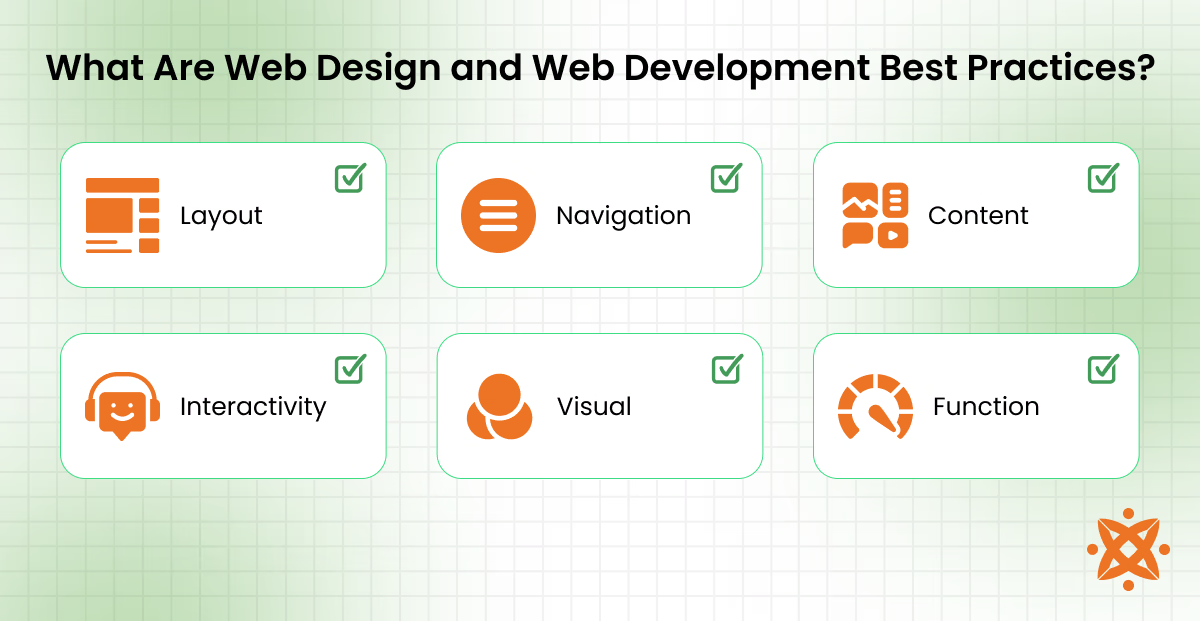
The following are the web design and web development best practices:
- Layout: The layout of a website determines how elements are arranged on the page, impacting readability and usability. A clean, well-structured layout enhances user experience by efficiently guiding visitors to key content. Responsive layouts ensure compatibility across different devices, improving accessibility and engagement. According to WebFX, 94% of first impressions of a brand's website relate to its design and layout.
- Navigation: Website navigation refers to how users move between different pages and sections. Well-designed navigation menus simplify user journeys, reduce bounce rates, and improve content discoverability. Clear, consistent navigation ensures a smooth browsing experience, making it easier for visitors to find what they need. According to Forrester, every $1 invested in UX results in a return of $100.
- Engaging Content: High-quality content, including text, images, and videos, keeps users interested and encourages longer site visits. Informative, well-structured content enhances SEO, improving search engine rankings. Engaging content builds credibility and encourages repeat visits by providing value to users. According to Adobe, 45% of users expect content to display correctly across different devices, ensuring an excellent browsing experience. Also, 54% of people prefer to see content personalised to their interests, highlighting the importance of responsive design and customised user experiences in web design and web development.
- Interactivity: Interactive elements such as forms, animations, and chatbots enhance user engagement and provide a dynamic experience. Interactivity improves customer interaction, making websites feel more responsive and personalised. This leads to higher conversion rates and better user satisfaction.
- Visual Appearance: A website's visual appeal influences first impressions and user trust. A well-designed UI with a balanced colour scheme, high-quality images, and consistent typography improves branding and professionalism. A visually appealing website attracts more visitors and encourages them to stay longer.
- Functionality: A website must work smoothly across all devices and browsers without errors. Proper coding, fast loading speeds, and security features ensure a reliable and secure experience. Good functionality improves user retention, reduces technical issues, and enhances overall site performance. According to WebFX, 74% of visitors are likely to come back to your site if it has good mobile UX.
What Is the Difference Between Web Design and Game Development?
The main difference between web design and game development is that web design focuses on creating visually appealing and user-friendly websites, while game development involves designing and programming interactive gaming experiences. Web design emphasises layout, UI/UX, and responsive elements to enhance user navigation, whereas game development requires complex coding, physics engines, and real-time rendering to create immersive gameplay.
Web design primarily uses languages like HTML, CSS, and JavaScript, while game development relies on C++, Unity, Unreal Engine, and game-specific frameworks. Web design prioritises functionality and aesthetics for websites, whereas game development involves mechanics, animations, and artificial intelligence to deliver engaging experiences.
What Does SEO Stand for in Web Design and Development?
SEO (Search Engine Optimization) in web design and development is the process of improving a website's visibility on search engines like Google. It involves optimising various elements of a website to ensure it ranks higher in search results, attracts more traffic, and enhances user experience.
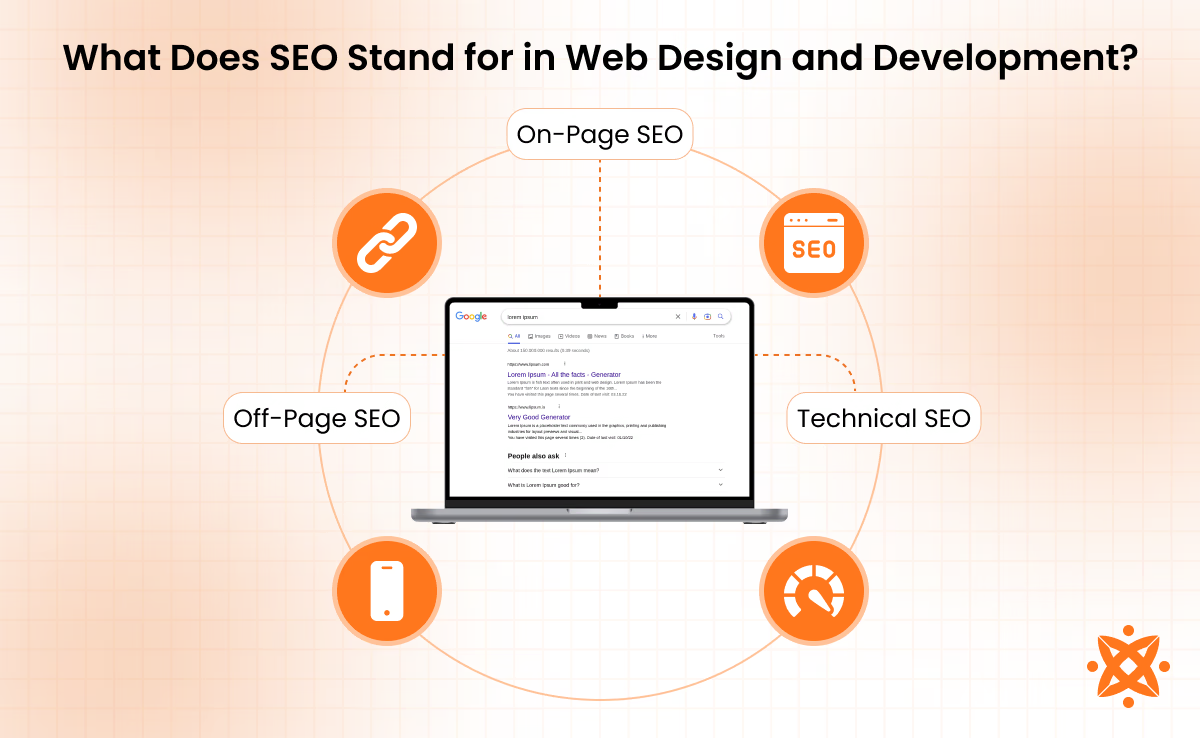
SEO works by aligning website content, structure, and performance with search engine algorithms. Search engines analyse factors like keywords, website speed, mobile-friendliness, and backlinks to determine rankings. Effective SEO in web design and development ensures that a site is easy to navigate, loads quickly, and provides valuable content to users, increasing its chances of ranking higher in search results.
There are components that contribute to SEO success, including on-page SEO, off-page SEO and technical SEO. On-page SEO focuses on optimising content, meta tags, and URLs, while off-page SEO involves building backlinks and social signals to enhance website authority. Technical SEO improves website speed, mobile responsiveness, and structured data. A smooth and integrated user experience (UX) plays an integral role in ensuring that visitors stay engaged and interact with the site effectively.
Implementing SEO offers several advantages, such as increasing organic traffic by improving search rankings, boosting user engagement with a fast and mobile-friendly design, enhancing credibility and trust by appearing in top search results, and improving conversion rates by attracting relevant visitors.
The search engine optimisation process for a website includes conducting keyword research, optimising on-page content, improving technical aspects like loading speed and security, developing high-quality content, building authoritative backlinks, and continuously monitoring performance through analytics tools. Integrating SEO best practices into web design and development enables you to ensure that your website not only looks great but also performs well, driving more traffic and increasing business opportunities.
How to Choose a Web Design and Development Company?
To choose a web design and development company, you need to evaluate their expertise, portfolio, and ability to create a website that aligns with your business goals. A reliable web design and development agency must have experience in custom web design and development, use modern technologies, and deliver responsive web design and development solutions that enhance user experience across devices. Checking reviews, case studies, and client testimonials helps you determine whether the company meets your expectations and industry standards.
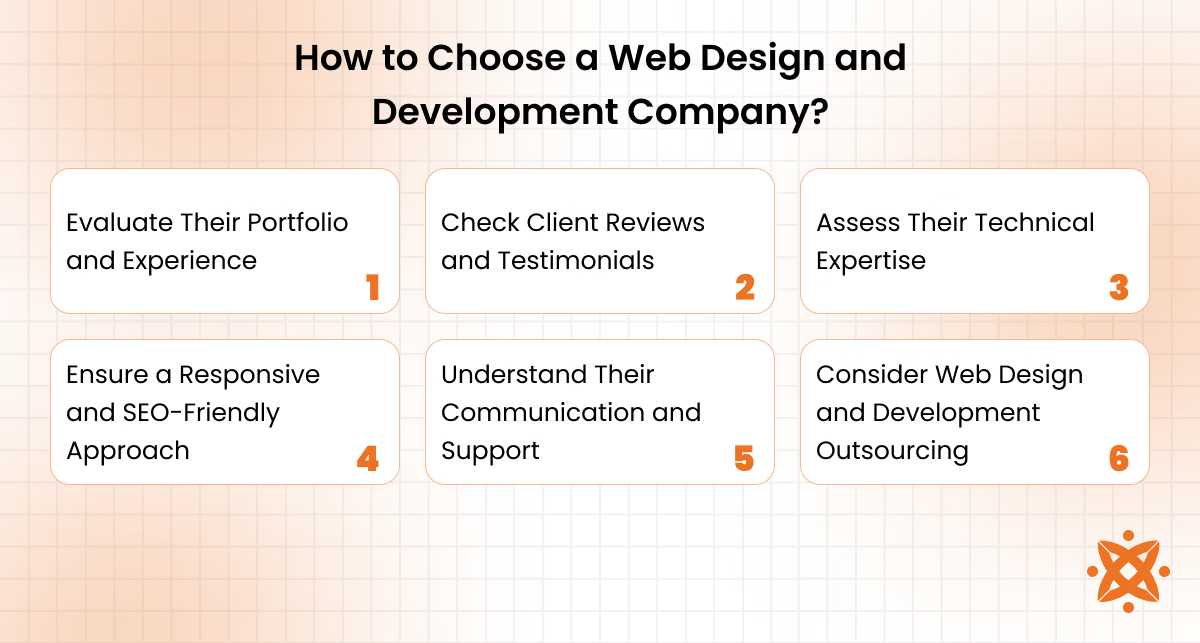
To choose a web design and development company, the following tips are followed:
- Evaluate Their Portfolio and Experience: A strong portfolio showcases the company's ability to create visually appealing and functional websites. Reviewing past projects helps you assess their skills, industry expertise, and design approach to ensure they align with your vision.
- Check Client Reviews and Testimonials: Client feedback provides valuable insights into the agency's reliability, professionalism, and ability to meet deadlines. Look for detailed testimonials on third-party platforms or contact past clients for firsthand information about their experience.
- Assess Their Technical Expertise: A reputable web design and development company must have modern technologies, programming languages, and frameworks expertise. Ensure they offer custom web design and development solutions customised to your business needs, whether for eCommerce, corporate, or portfolio websites.
- Ensure a Responsive and SEO-Friendly Approach: Your website must be responsive to ensure efficient and hassle-free browsing on all devices and optimised for search engines to drive traffic. Verify whether the agency incorporates responsive web design and development practices, fast loading speeds, and SEO best practices.
- Understand Their Communication and Support: Clear communication is key to a successful project. Choose a web design and development agency that maintains transparency, updates you regularly, and offers post-launch support to handle any issues or improvements.
- Consider Web Design and Development Outsourcing: If you're looking for cost-effective services, web design and development outsourcing is a viable option. Companies in the UK, USA, Canada, and India offer competitive pricing while delivering high-quality solutions customised to your needs.
Choosing the right web design and development company ensures that your business gets a professionally designed website that enhances user experience and boosts conversions. If you're looking for expert solutions, consider a reliable web development company for your web design and development needs. As a trusted web development company, Intelivita delivers custom web design and development solutions customised to your business, ensuring responsive, SEO-friendly, and high-performing websites.
What Are the Common Web Design and Development Mistakes to Avoid?
The common web design and development mistakes to avoid are poor responsiveness, complicated navigation, and slow loading times. These mistakes severely impact user engagement, search engine rankings, and overall site performance. Addressing these issues early on creates a more effective and user-friendly online presence.
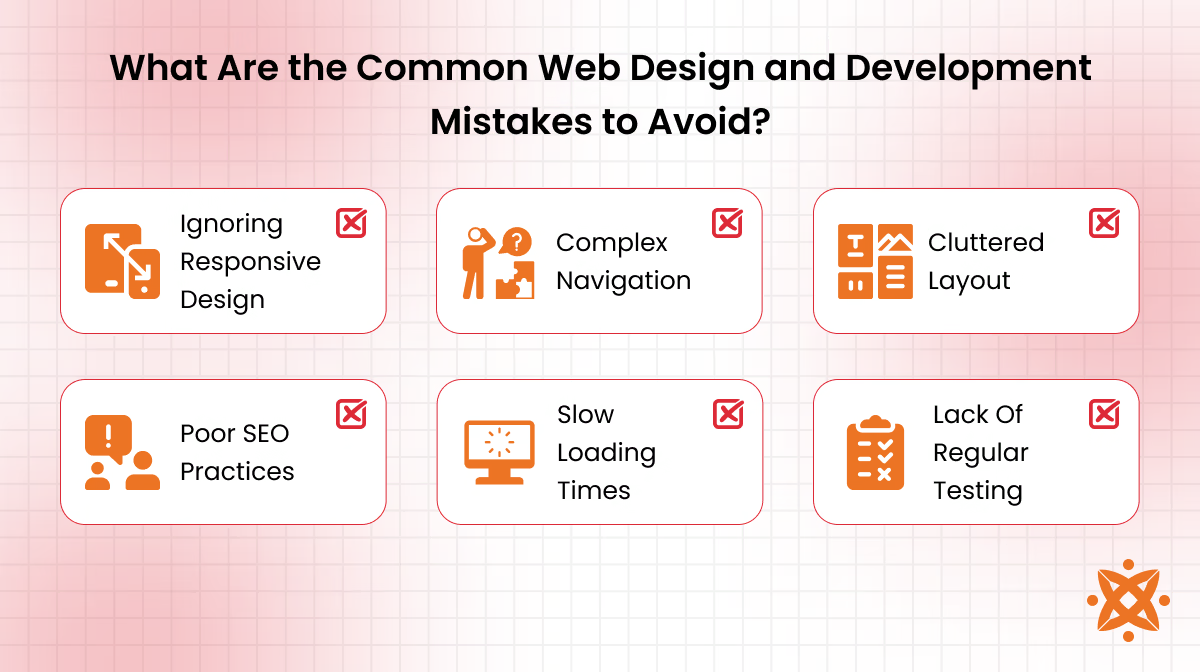
The common web design and development mistakes to avoid are as follows:
- Ignoring Responsive Design: Failing to design your website to adjust efficiently across different devices results in a poor user experience, limiting accessibility and engagement. Ensuring a responsive layout is important for reaching a wider audience.
- Complex Navigation: Overly complicated or unclear navigation confuses visitors, making it difficult for them to find the information they need. Simple, intuitive menus enhance usability and encourage users to explore your site further.
- Cluttered Layout: A cluttered design overwhelms users and detracts from the site's content. A clean, organised layout helps to highlight key elements and improves overall readability and user satisfaction.
- Poor SEO Practices: Neglecting SEO fundamentals, such as keyword optimisation, meta tags, and quality content, leads to lower search engine rankings. A well-optimised site is important for driving organic traffic and ensuring visibility.
- Slow Loading Times: Long load times frustrate users and contribute to higher bounce rates. Optimising images, utilising caching, and minimising code are key practices for enhancing site performance.
- Lack of Regular Testing: Skipping routine testing results in unnoticed bugs, compatibility issues, and security vulnerabilities. Continuous testing ensures your website remains functional, secure, and updated with evolving standards.
What Are the Trends in Website Design and Development?
The top trends in website design and development include responsive layouts, minimalist aesthetics, dark mode, AI-powered personalisation, micro-interactions, and accessibility features. These trends reflect a shift towards creating user-centric, visually engaging websites that perform efficiently across devices while offering personalised experiences.
The top trends in website design and development are as follows
- Responsive and Mobile-First Design: This trend emphasises creating websites that adapt to various screen sizes, ensuring a smooth experience on desktops, tablets, and smartphones. It improves usability and engagement by making content accessible and legible on any device.
- Minimalist and Clean Aesthetics: Embracing simplicity, designers focus on uncluttered layouts that highlight important content. A minimalist approach enhances visual appeal and facilitates navigation, reducing cognitive load on users.
- Dark Mode and Visual Customization: Dark mode has gained popularity for its modern look and reduced eye strain. It gives users a choice in their viewing experience, enhances readability in low-light environments, and even improves device battery life.
- AI-Powered Personalization: Integrating artificial intelligence allows websites to customise content and make recommendations based on user behaviour and preferences. This personalised approach increases engagement and conversion rates by delivering a more relevant experience to each visitor.
- Microinteractions and Animations: Subtle animations and interactive elements create a dynamic and engaging user experience. These microinteractions provide feedback and guide users through the website, enhancing both usability and overall satisfaction.
- Accessibility and Inclusive Design: Ensuring websites are accessible to everyone, including users with disabilities, has become necessary. By following accessibility standards and incorporating inclusive design practices, businesses expand their reach and offer a better experience to all users.
What Is the Best Web Design and Development Software?
The best web design and development software includes Adobe XD, Figma, Sketch, Webflow, Visual Studio Code, Sublime Text, and GitHub. These tools support various stages of the design-to-development process, from wireframing and prototyping to coding, version control, and deployment.
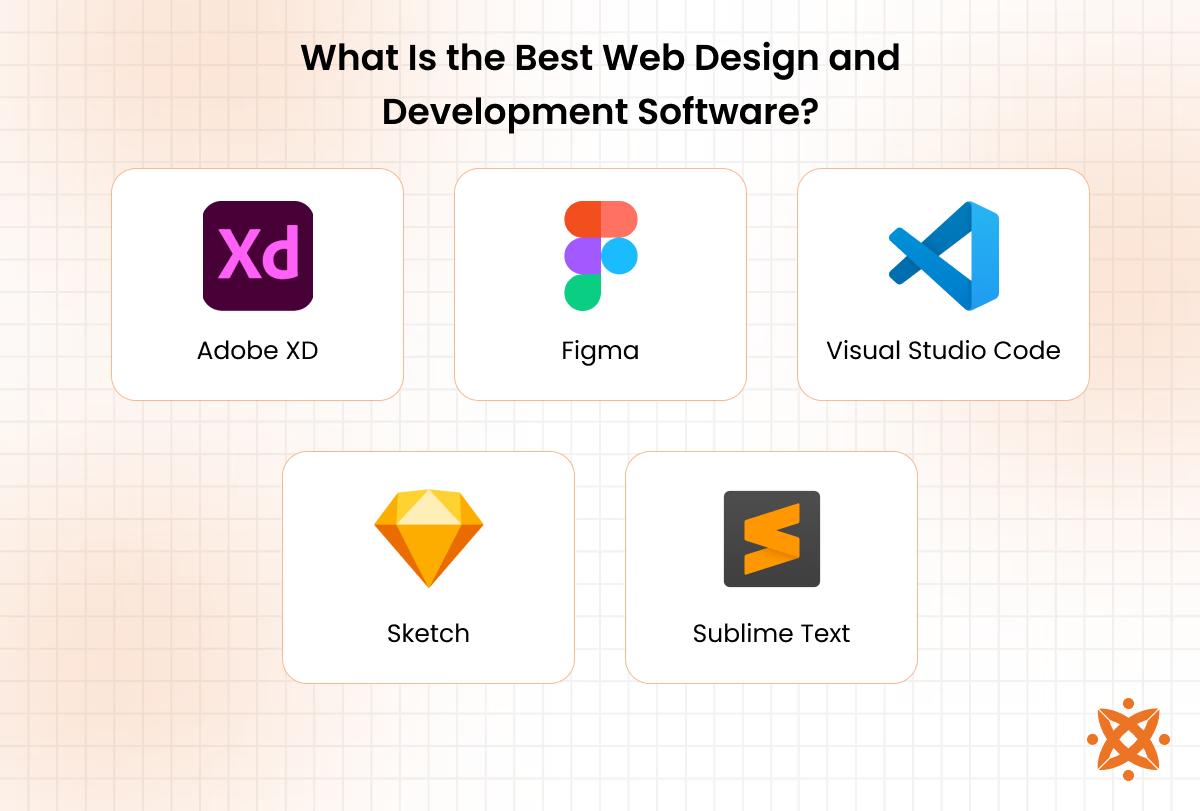
The best web design and development software are as follows:
- Adobe XD: Adobe XD provides comprehensive design and prototyping features that enable designers to create interactive user interfaces and collaborate easily with developers. It simplifies the transition from design to development with smart integrations and reusable components.
- Figma: Figma is known for its cloud-based collaborative environment. It allows multiple team members to work on a design simultaneously. It is excellent for creating scalable design systems and prototyping, making it a favourite among modern design teams.
- Visual Studio Code: Visual Studio Code is a highly versatile code editor that supports a wide range of programming languages and extensions. It is important for web development. Its robust debugging tools, integrated terminal, and extensive plugin ecosystem help facilitate coding and improve productivity.
- Sketch: Sketch is popular among Mac users and offers intuitive vector editing and a user-friendly interface for creating high-fidelity designs. It supports plugin integrations and is widely used for designing responsive web interfaces.
- Sublime Text: Sublime Text is a fast and lightweight code editor favoured for its speed, simplicity, and powerful features like multi-line editing and split editing. It supports various programming languages and is an excellent choice for developers seeking an efficient coding experience.